



Mojo Koi Collection - Asagi Koi Blue Red 381118
Dimension package:
15 x 11 x 9 cm
New
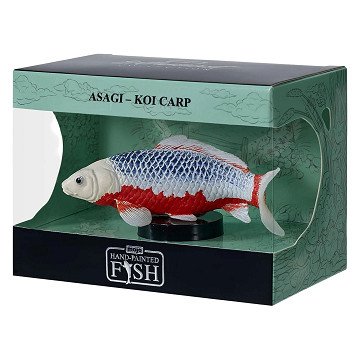
 Click the image to enlarge.


 Click the image to enlarge.


Available
Specifications
Found in the following categories:
| Itemcode: | 1285530 |
| Dimension package: | 15 x 11 x 9 cm |
| Suitable for: | From 3 years old |
| EAN code: | 5031923811188 |
| Price in euros: | Excl. VAT and excl. shipping costs |
| Colour: | Multi colors |
| Brand: | Mojo |
| Material: | PVC |


Safety


- Warning: Not suitable for children under 3 years due to small parts.
Others also bought
-
Mojo Sealife Koi Karper - Asagi Koi - 381100Log in for price information
-
Mojo Koi Collection - Tancho Koi Red Dots 381119Log in for price information
-
Mojo Koi Collection - Showa Sanshoku Koi Driekleurig 381121Log in for price information
-
Mojo Koi Collection - Kin Matsuba Koi Gold 381123Log in for price information
-
Mojo Koi Collection - Shiro Utsuri Koi Black White 381120Log in for price information
-
Mojo Koi Collection - Ochiba Shigure Koi Good Wit 381122Log in for price information
-
Mojo Sealife Mini Sea Creatures Playset, 12-piece - 380056Log in for price information
-
Animal World - Sea Animals Playset, 8pcs.Log in for price information
-
Mojo Sealife Whale Shark - 381038Log in for price information
-
Mojo Sealife White Shark - 381109Log in for price information
-
Sticky Sea CreatureLog in for price information
-
Schleich Wild Life Penguin Family Pret 42661Log in for price information


